Understanding Astaxanthin: The Fatigue Fighter
Astaxanthin is a powerful carotenoid that has gained significant attention in recent years for its potential health benefits, particularly in relation to energy levels and fatigue. As a natural antioxidant found primarily in marine organisms, it exhibits remarkable properties that make it a promising ally for those battling tiredness and low energy. This article explores the multifaceted roles of astaxanthin in combating fatigue and enhancing overall vitality. For insights into its broader benefits, refer to astaxanthin for fatigue.
What is Astaxanthin?
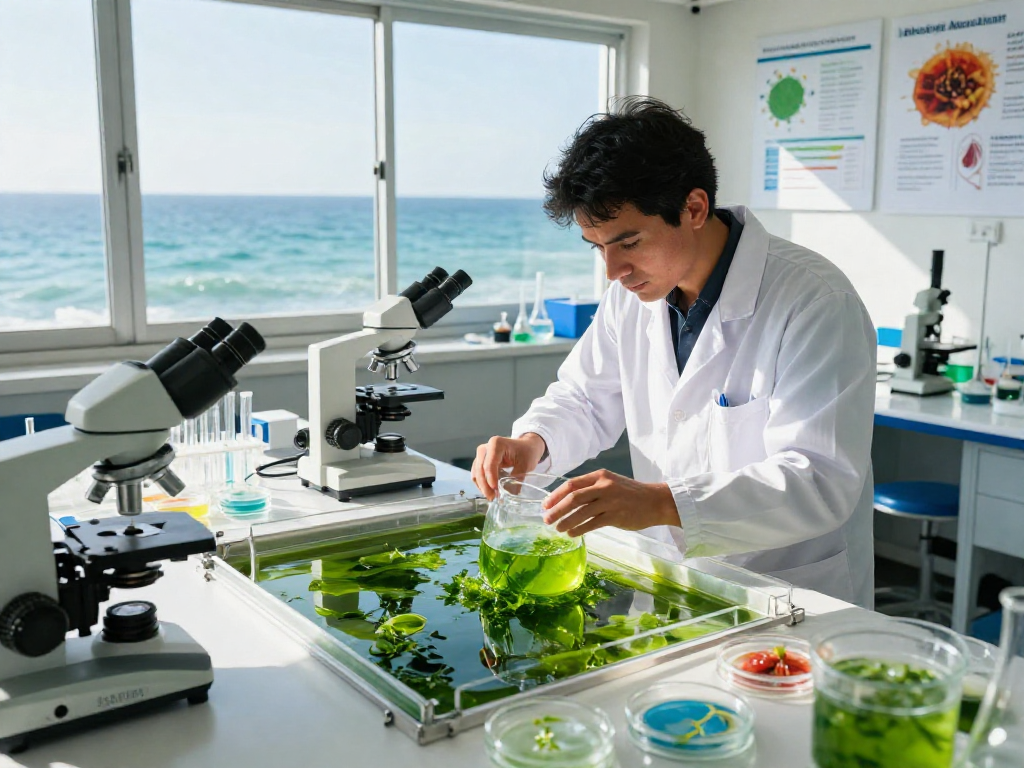
Astaxanthin is a keto-carotenoid that belongs to the carotenoid family, a group of pigments responsible for the red, orange, and yellow hues observed in several plants and microorganisms. It is most abundantly found in microalgae, as well as in the flesh of salmon, shrimp, and various crustaceans. The unique structure of astaxanthin allows it to be more potent than other antioxidants, which can be attributed to its ability to cross the blood-brain barrier and its role in protecting cells from oxidative stress.
How Astaxanthin Affects Energy Levels
The way astaxanthin influences energy levels is multifaceted. By reducing oxidative stress, it helps in improving mitochondrial function. Mitochondria are the powerhouse of cells, generating ATP—the energy currency of the body. Enhanced mitochondrial function results in better energy production. Furthermore, astaxanthin modulates the inflammatory response, which can affect energy levels significantly. Lower inflammation means improved recovery and reduced fatigue, especially after prolonged physical exertion.
Sources of Astaxanthin
The primary dietary sources of astaxanthin include:
- Microalgae: The most potent natural source is the microalga Haematococcus pluvialis, which can contain up to 40 times more astaxanthin than other sources.
- Seafood: Salmon, trout, krill, and shrimp are significant sources, with salmon being particularly rich due to its diet.
- Supplements: For those who find it difficult to consume adequate amounts through diet, astaxanthin supplements are available, often designed to enhance bioavailability.
The Science Behind Astaxanthin and Fatigue
Research Overview on Astaxanthin
Recent scientific studies have illuminated the potential of astaxanthin in energy enhancement and fatigue management. Research indicates that diets rich in astaxanthin can offer substantial protective effects against oxidative stress and improve physical endurance. Trials have shown athletes using astaxanthin supplements report less perceived fatigue during rigorous training sessions, likely due to enhanced oxidative stability and cellular resilience.
Antioxidant Properties and Energy
Astaxanthin’s strong antioxidant properties allow it to neutralize free radicals in the body—rogue molecules that can lead to fatigue by causing cellular damage. By diminishing oxidative stress, astaxanthin aids in better metabolic function, leading to increased stamina and prolonged energy levels. This is particularly essential in high-performance sports and demanding physical activities.
How Astaxanthin Supports Physical Performance
Astaxanthin’s ability to support physical performance lies in its multifactorial action. It enhances muscle recovery, supports cardiovascular health, and regulates inflammation. Studies have shown that athletes supplementing with astaxanthin experience increased endurance, demonstrating its power in fighting fatigue during intense physical efforts. Additionally, the nutrient promotes metabolic efficiency, allowing for sustained energy release and reducing the likelihood of fatigue-driven performance dips.
Dosage and Consumption: Finding Your Balance
Recommended Daily Intake of Astaxanthin
While there is no universally established daily intake for astaxanthin, research suggests supplementing with 4-12 mg per day can be effective for enhancing energy levels and reducing fatigue. However, individual needs may vary based on factors such as activity level, age, and overall health. It is advisable to consult with a healthcare provider before starting any new supplement regimen.
Astaxanthin Supplements vs. Food Sources
Both astaxanthin supplements and food sources have their merits. Natural sources, like seafood and microalgae, provide astaxanthin along with other beneficial nutrients, making them excellent additions to a balanced diet. Conversely, supplements offer a concentrated dose, which can be convenient for those needing higher amounts or struggling to consume adequate food sources. Ultimately, the choice may depend on personal preferences, dietary restrictions, and health goals.
Timing for Optimal Benefits
For those seeking to maximize the benefits of astaxanthin, timing can be essential. Taking astaxanthin with meals, particularly those containing healthy fats, can enhance its absorption due to its fat-soluble nature. For athletic performance, a pre-workout dose may optimize energy levels and delay fatigue onset, while ongoing supplementation may provide cumulative benefits in boosting endurance and recovery.
Real-Life Results: Astaxanthin from Users’ Perspectives
Testimonials on Astaxanthin for Fatigue
User experiences often highlight the positive changes astaxanthin can bring to daily life. Many report increased energy levels, improved recovery times after exercise, and reduced feelings of fatigue during the day. These success stories underscore its potential as a practical supplement for those struggling with persistent tiredness, facilitating a more vibrant and active lifestyle.
Common Challenges in Fatigue Management
Managing fatigue can present various challenges, including lifestyle factors, diet, sleep quality, and stress levels. Many individuals struggle with persistent tiredness despite sufficient rest and nutrition. Addressing these factors holistically while incorporating supplements like astaxanthin may help mitigate fatigue and enhance overall well-being, but individual approaches will vary based on unique situations and health considerations.
Tips for Incorporating Astaxanthin into Daily Life
Incorporating astaxanthin into your daily routine can be straightforward. Consider these tips:
- Include astaxanthin-rich foods, like salmon and shrimp, in your diet regularly.
- Take astaxanthin supplements during meals to boost absorption.
- Monitor your energy levels and adjust your dosage based on personal response.
- Consult a healthcare professional for tailored advice on incorporating astaxanthin effectively.
- Be patient; the benefits may take time to become noticeable.
FAQs about Astaxanthin for Fatigue
What are the key benefits of astaxanthin for fatigue?
Astaxanthin helps reduce oxidative stress, enhances mitochondrial function, and supports recovery, all contributing to improved energy levels and reduced fatigue.
Are there any side effects of taking astaxanthin?
Astaxanthin is generally considered safe with minimal side effects, including mild digestive upset or changes in stool color. Consult your doctor if uncertain.
How long does it take to feel effects from astaxanthin?
Effects can vary by individual, with some users reporting improvements within a few days, while others may take weeks to notice significant changes in energy levels.
Can astaxanthin be taken with other supplements?
Astaxanthin can generally be taken alongside other supplements; however, it's best to consult with a healthcare provider to avoid any potential interactions.
Who should consider taking astaxanthin for fatigue?
Those experiencing chronic fatigue, athletes looking for performance enhancement, or individuals under stress may benefit from astaxanthin supplementation for better energy management.