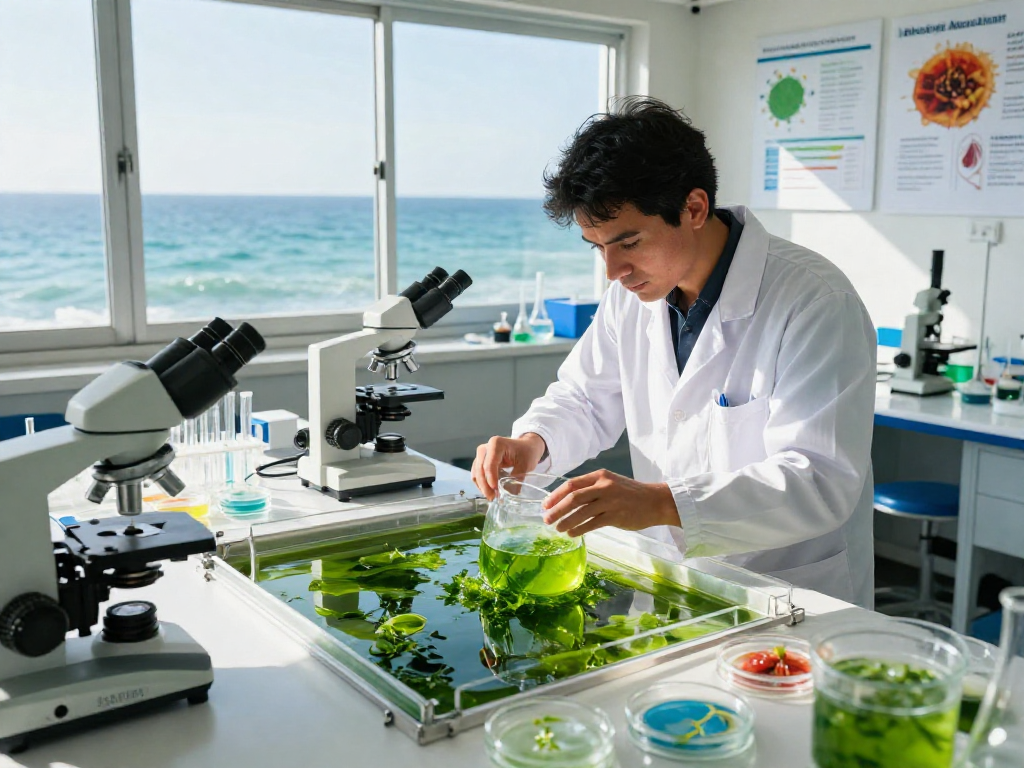
Understanding Astaxanthin and Its Benefits
Astaxanthin, a potent carotenoid found primarily in certain algae, shellfish, and fish, has recently garnered significant attention for its numerous health benefits, particularly for its potential role in alleviating fatigue. As a powerful antioxidant, astaxanthin has been highlighted in studies for its capability to combat oxidative stress and inflammation, both of which are crucial factors in managing energy levels. In this comprehensive guide, we delve into the myriad benefits of astaxanthin, its effects on fatigue, its natural sources, and more. To understand more about its potential impacts, particularly astaxanthin for fatigue, continue reading.
What is Astaxanthin?
Astaxanthin is a reddish pigment and a member of the carotenoid family, recognized for its vibrant color. This compound can be found in various sources, including microalgae like Haematococcus pluvialis, as well as in salmon, shrimp, and flamingos. Unlike other antioxidants, astaxanthin is unique due to its molecular structure, which allows it to cross cell membranes and protect cells from oxidative damage more efficiently. Its biological activity has led researchers to explore its potential applications in health and wellness, particularly regarding energy levels and fatigue reduction.
How Astaxanthin Affects Fatigue
Fatigue can stem from various sources, including physical exertion, mental stress, and nutritional deficiencies. By mitigating oxidative stress, astaxanthin plays a vital role in preserving cellular energy and enhancing recovery. Studies suggest that astaxanthin can increase ATP production, the energy currency of our cells, thereby improving physical performance and endurance. Furthermore, its anti-inflammatory effects can assist in muscle recovery post-exercise, allowing individuals to combat fatigue more effectively and maintain higher energy levels throughout the day.
Natural Sources of Astaxanthin
For those interested in reaping the benefits of astaxanthin, incorporating natural sources into one’s diet is an excellent approach. Key natural sources include:
- Microalgae: The richest source of astaxanthin, particularly Haematococcus pluvialis.
- Fish: Salmon, trout, and sardines are well-known for their high astaxanthin content.
- Shelled Seafood: Shrimp and crayfish also provide significant amounts of astaxanthin.
- Plants: Though less concentrated, some plants like carrots and tomatoes contain trace amounts.
Regular inclusion of these foods can enhance your body’s natural defenses against fatigue-related challenges.
Scientific Insights into Astaxanthin for Fatigue
Research on Astaxanthin's Efficacy
Numerous studies have examined the efficacy of astaxanthin in reducing fatigue and enhancing physical performance. One notable study found that participants who consumed astaxanthin exhibited significant improvements in exercise endurance and a reduction in perceived exertion during fitness activities. The research indicates that supplementation with astaxanthin led to enhanced recovery times, indicating its role as an effective fatigue management tool. The ability of astaxanthin to decrease markers of inflammation has further solidified its reputation as a go-to supplement for athletes and fitness enthusiasts alike.
Comparative Analysis with Other Supplements
When compared to other popular fatigue-fighting supplements, such as CoQ10 and creatine, astaxanthin has distinct advantages. While CoQ10 supports mitochondrial function, astaxanthin provides additional antioxidant protection, reducing cellular damage and enhancing endurance. Creatine, on the other hand, is effective in short bursts of intense activity but does not offer the same protective effects against oxidative stress. This unique combination of benefits positions astaxanthin as a promising alternative or complement in fatigue management strategies.
Potential Side Effects and Safety Considerations
While astaxanthin is generally considered safe, some individuals may experience mild side effects, such as gastrointestinal discomfort or skin discoloration. It is essential to consult with a healthcare professional before beginning any supplementation regimen, especially for individuals with underlying health conditions or who are pregnant or breastfeeding. Proper dosage and form are critical to maximizing its benefits while minimizing any potential risks.
How to Incorporate Astaxanthin into Your Diet
Recommended Dosage and Forms
The recommended dosage of astaxanthin varies based on individual needs and health goals. Generally, doses range from 4 mg to 12 mg per day, with many studies supporting 6 mg as an effective daily intake. Astaxanthin is available in several forms, including:
- Softgel Capsules: A well-absorbed form, often recommended for supplementation.
- Powder: Can be added to smoothies or consumed in food preparations.
- Liquid Extract: Offers versatility in usage and is rapidly absorbed.
By carefully selecting a form that suits your lifestyle, you can enhance the integration of astaxanthin into your daily regimen.
Astaxanthin-Rich Recipes
Incorporating astaxanthin-rich foods into your meals can be both delicious and beneficial. Here are a few recipes to consider:
- Salmon Salad: Toss grilled salmon with mixed greens, cherry tomatoes, avocado, and a lemon vinaigrette for a refreshing dish.
- Shrimp Stir-Fry: Sauté shrimp with a mix of colorful vegetables, incorporating sesame oil and ginger for an energetic meal.
- Algal Smoothie: Blend algae powder with spinach, banana, Greek yogurt, and almond milk for a nutrient-packed smoothie.
These recipes do not just provide astaxanthin; they also contribute to a balanced diet.
Supplement Form vs. Food Sources
When considering astaxanthin, one might ponder whether to opt for supplement forms or focus on whole food sources. While food-based sources are generally preferable for their complete nutrient profiles, supplements can be advantageous for individuals with specific needs or higher demands, such as athletes. Supplements often deliver concentrated doses that might be hard to achieve through diet alone. Nonetheless, a combination of both approaches can provide the best results, ensuring optimal intake of this crucial nutrient.
User Experiences and Testimonials
Real-Life Benefits of Astaxanthin for Fatigue
Numerous individuals have shared their positive experiences with astaxanthin in managing fatigue. Users often report enhanced energy levels, improved concentration, and quicker recovery times post-exercise. This anecdotal evidence aligns with scientific findings, reinforcing the compound's reputation as an effective fatigue management tool. Many users appreciate the lack of jitteriness or crashes commonly associated with caffeine or other stimulants.
Case Studies on Energy Improvement
Several case studies illustrate the impact of astaxanthin on energy levels and fatigue management. One prominent case involved a group of amateur athletes who reported significant improvements in their overall performance and endurance after supplementing with astaxanthin for eight weeks. Their feedback highlighted increased stamina and reduced tiredness post-training, leading to consistent training schedules. Such results point to astaxanthin’s potential as a valuable addition to any energy enhancement strategy.
Tips for First-Time Users
For those new to taking astaxanthin, here are a few essential tips:
- Start with a lower dose and gradually increase based on tolerance and results.
- Pair astaxanthin with a healthy diet and regular exercise to maximize energy benefits.
- Consult a healthcare provider to ensure it fits well with any existing fitness regime or health needs.
Implementing these strategies can help new users maximize their energy-enhancing potential while minimizing any side effects.
FAQs about Astaxanthin and Fatigue
How long does it take to feel the effects of astaxanthin?
Many users report noticeable effects within two weeks of regular supplementation, although individual results may vary.
Can astaxanthin replace other fatigue supplements?
Astaxanthin can complement other fatigue supplements but should not fully replace them; combining supplements is often most effective.
Are there any dietary restrictions for astaxanthin?
Astaxanthin supplements are generally safe, but those with shellfish allergies should be cautious with marine sources.
What age group can benefit from astaxanthin?
Individuals of all ages can benefit, particularly athletes, older adults, and anyone experiencing chronic fatigue.
Is there a recommended time to take astaxanthin?
Astaxanthin can be taken any time of day, but many prefer taking it with meals to enhance absorption and minimize any digestive discomfort.