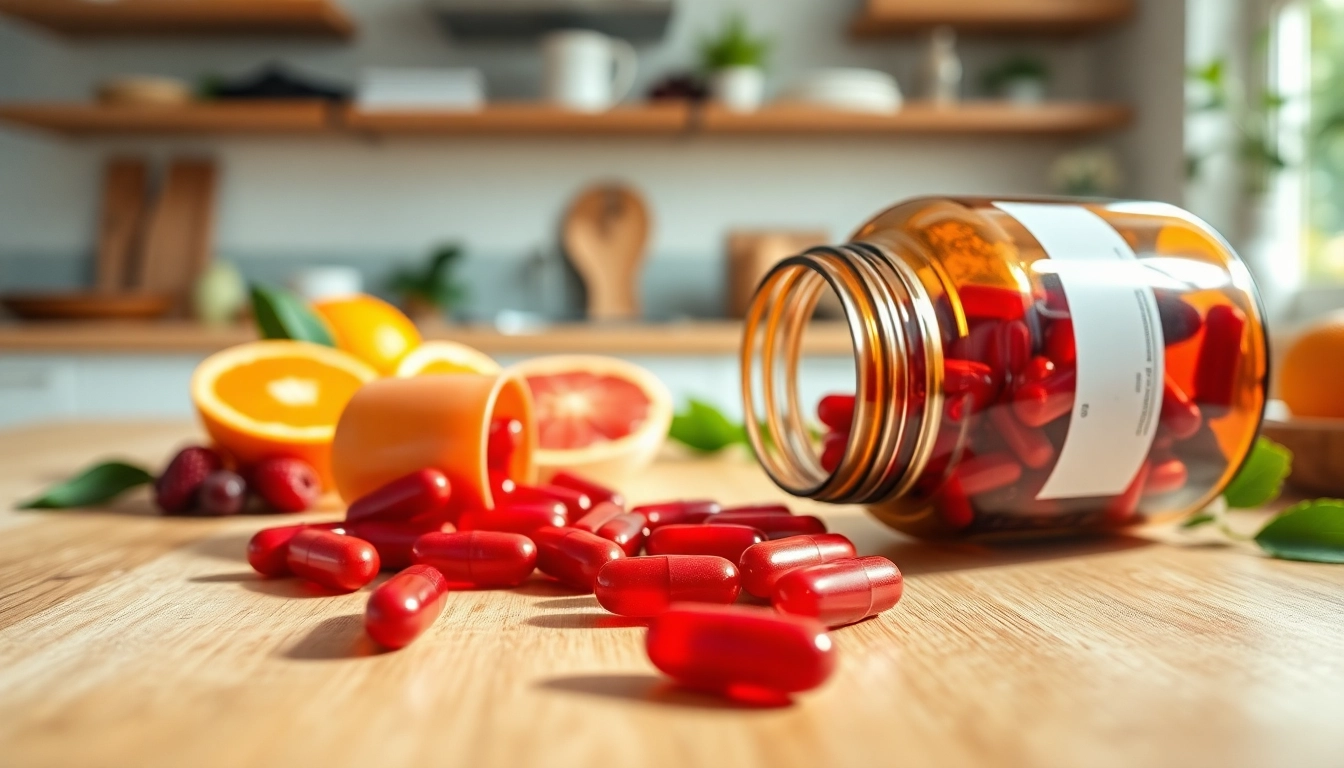
Understanding Astaxanthin and Its Benefits for Fatigue
What is Astaxanthin?
A powerful carotenoid, astaxanthin is a pigment primarily found in certain algae, which gives salmon, shrimp, and crab their distinctive red color. Unlike many other antioxidants, astaxanthin possesses unique molecular properties that allow it to traverse cell membranes more effectively. This enables it to provide protection against oxidative stress, making it a crucial element for health and wellness, particularly when addressing issues like fatigue. In recent years, interest has surged regarding the benefits of astaxanthin, particularly its potential role in mitigating fatigue.
How Astaxanthin Works in the Body
Astaxanthin operates as a potent antioxidant, neutralizing free radicals that cause cell and tissue damage. Its unique structure allows it to stabilize cell membranes, reduce inflammation, and improve blood flow. These properties are critical for energy production and recovery in the body. By enhancing the health of mitochondrial function, the powerhouses of our cells, astaxanthin can help to maintain energy levels even during periods of physical or mental stress, addressing aspects of fatigue from within. To explore more insights on astaxanthin for fatigue, you can visit astaxanthin for fatigue.
Scientific Studies on Astaxanthin and Fatigue
Numerous studies have delved into astaxanthin’s role in managing fatigue. Research shows that astaxanthin can enhance physical endurance and recovery by promoting better oxygen utilization and reducing muscle damage during exercise. One study indicated that cyclists who supplemented with astaxanthin experienced less fatigue and improved performance compared to those who did not. Another study found a reduction in perceived exertion in participants taking astaxanthin, which suggests that it can help improve mental resilience against fatigue. These findings highlight the potential of astaxanthin as a natural remedy for fatigue management.
Sources of Astaxanthin
Top Foods Containing Astaxanthin
The most abundant sources of natural astaxanthin include marine organisms. Foods like wild-caught salmon, trout, shrimp, and krill are rich in this nutrient. Algae, particularly Haematococcus pluvialis, is considered the richest source of astaxanthin, making it a cornerstone in many dietary supplements. Incorporating these foods into your diet not only enhances the nutrient profile but also contributes significantly to overall health and may alleviate fatigue.
Quality Supplements vs. Natural Sources
While dietary sources are ideal, they can be limiting depending on one’s diet preferences, availability, and overall health goals. Astaxanthin supplements can be an excellent alternative for individuals looking to boost their intake. Quality matters; choosing a high-quality, bioavailable astaxanthin supplement from a reputable manufacturer can maximize the potential benefits. Synthetic forms of astaxanthin are available, but they may not offer the same health benefits as their natural counterparts. Therefore, it’s essential to weigh the benefits of natural food sources against the convenience of supplementation.
Choosing the Right Astaxanthin Supplement
When selecting an astaxanthin supplement, several factors need consideration: source, concentration, and additional ingredients. Look for products made from organic algae to ensure you receive a highly bioavailable form. The recommended dose varies but typically falls between 4mg to 12mg per day. Always consult with a healthcare provider to determine the most suitable option for your needs and to ensure it aligns with your health conditions and other supplements you may be taking.
Effectiveness of Astaxanthin for Fatigue Relief
How Astaxanthin Affects Energy Levels
Astaxanthin enhances energy levels by improving cellular energy production and reducing oxidative stress. It plays a pivotal role in mitochondrial function—supporting ATP (adenosine triphosphate) production, a critical energy currency in the body. By optimizing energy metabolism and oxygen transport, astaxanthin makes a significant impact in reducing overall fatigue, especially in physically demanding activities.
Common Symptoms of Fatigue It Can Address
Fatigue manifests in various forms, such as physical fatigue, mental exhaustion, lack of motivation, or elevated stress levels. Astaxanthin can address these symptoms by increasing energy levels and promoting mental clarity. It has also been shown to help reduce recovery time after strenuous exercise, alleviating the physical aspects of fatigue. Regular supplementation can provide a sustained energy boost that counters the common fatigue felt during busy lifestyles.
Comparing Astaxanthin with Other Fatigue Remedies
While various remedies exist for fatigue management, such as caffeine, adaptogens, and other dietary supplements, astaxanthin offers unique advantages. Unlike caffeine, which can lead to jitters and an energy crash, astaxanthin fosters sustained energy and endurance without side effects. Additionally, compared to many adaptogens, astaxanthin's targeted cellular effects provide a more profound impact on energy metabolism, making it a favorable option for those seeking a natural, long-term solution to fatigue.
Integrating Astaxanthin into Your Daily Routine
Recommended Dosages for Energy Enhancements
The recommended dosage of astaxanthin for energy enhancement typically ranges from 4 mg to 12 mg per day, depending on individual needs and health conditions. Starting at a lower dose and gradually increasing allows you to assess tolerance and effectiveness better. It is advisable to consult with a healthcare professional for personalized recommendations tailored to your lifestyle and objectives.
Dietary Changes to Maximize Benefits
To maximize the energy-boosting benefits of astaxanthin, consider incorporating a balanced diet rich in whole foods, healthy fats, lean proteins, and plenty of fruits and vegetables. Foods high in omega-3 fatty acids, such as chia seeds and walnuts, can complement astaxanthin intake, further supporting overall health and energy levels. Staying hydrated and prioritizing sleep are also crucial aspects of fatigue management. Therefore, a holistic approach will yield the best results.
Potential Interactions with Other Supplements
Astaxanthin is generally safe and well-tolerated; however, potential interactions can occur with certain medications or supplements, including blood thinners or immunosuppressants. Always inform your healthcare provider about all supplements and medications you're taking to avoid unintended interactions. This proactive approach ensures safe integration of astaxanthin into your health regimen.
FAQs About Astaxanthin for Fatigue
Can Astaxanthin help with chronic fatigue?
Astaxanthin may alleviate symptoms of chronic fatigue by enhancing energy metabolism and reducing oxidative stress in cells. However, individual results can vary.
Are there side effects from taking Astaxanthin?
Astaxanthin is generally safe with minimal side effects, but some individuals may experience gastrointestinal discomfort or a change in skin color at high doses.
How long does it take to experience benefits?
Individuals may start to notice improvements in energy levels within 2-4 weeks of consistent use, although this can vary based on personal body chemistry and lifestyle factors.
What is the best time to take Astaxanthin?
Taking astaxanthin with meals, particularly those that contain fat, can enhance its absorption. Morning intake is often preferred for sustained energy throughout the day.
Can I get enough Astaxanthin from my diet?
While dietary sources like salmon and algae are rich in astaxanthin, obtaining therapeutic levels solely from food can be challenging. Supplements help achieve recommended doses effectively.