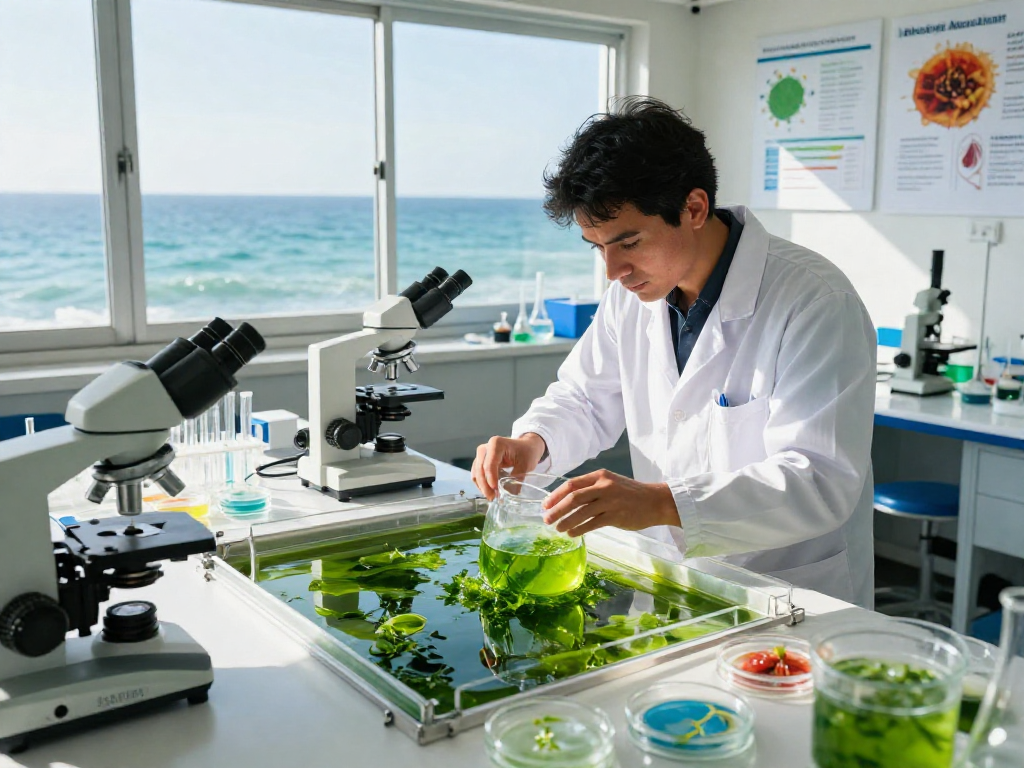
Understanding Microalgae Astaxanthin
Microalgae astaxanthin is a powerful carotenoid derived from various species of microalgae, predominantly Haematococcus pluvialis. This natural pigment is renowned for its vibrant red hue, which not only attracts attention but also plays a crucial role in the health benefits it offers. As we delve into the world of microalgae astaxanthin, you'll discover its significance in nutrition, health, and wellness, making it a trending supplement in 2026. When exploring options, microalgae astaxanthin provides comprehensive insights into its myriad benefits.
What is Microalgae Astaxanthin?
Microalgae astaxanthin is a naturally occurring carotenoid that belongs to the xanthophyll subgroup of carotenoids. Unlike other carotenoids, astaxanthin has unique molecular characteristics that give it exceptional antioxidant properties. It is synthesized by microalgae as a protective response against environmental stressors, including UV radiation and oxidative stress. This unique adaptation not only aids the microalgae in thriving in harsh conditions but also makes astaxanthin highly beneficial for consumers seeking natural health solutions.
Benefits of Microalgae Astaxanthin
The benefits of microalgae astaxanthin are extensive and are primarily attributed to its antioxidant capacity. Here are some notable health benefits associated with its consumption:
- Powerful Antioxidant: Astaxanthin is known to be 6000 times more effective than vitamin C in combating oxidative stress.
- Supports Immune Function: By enhancing the body’s immune response, astaxanthin helps in maintaining overall health.
- Improves Skin Health: Its anti-inflammatory properties protect against skin aging, UV damage, and promote a healthy complexion.
- Enhances Eye Health: Astaxanthin has been shown to reduce eye fatigue and improve visual acuity.
Sources of Microalgae Astaxanthin
Microalgae astaxanthin can be sourced from both natural and synthetic means. The most effective and sustainable source comes from the microalgae species Haematococcus pluvialis, which produces astaxanthin in significant quantities. Other sources may include certain types of salmon, krill, and shrimp, which obtain astaxanthin through their diet. However, for supplementation purposes, microalgae-derived astaxanthin is preferred due to its higher concentration and purity.
Microalgae Astaxanthin and Health
How Microalgae Astaxanthin Supports Eye Health
As the world becomes increasingly digital, eye health is a growing concern for many. Microalgae astaxanthin has demonstrated its ability to enhance eye health by filtering harmful blue light and protecting retinal cells. Clinical studies have suggested that regular supplementation of astaxanthin may help prevent age-related macular degeneration (AMD) and cataracts, conditions that can severely impact vision.
Role in Reducing Inflammation
Chronic inflammation has been linked to a plethora of health conditions, including heart disease, diabetes, and autoimmune disorders. Microalgae astaxanthin possesses potent anti-inflammatory properties that can modulate inflammatory pathways in the body. Research indicates that astaxanthin can reduce markers of inflammation, providing a natural strategy to combat these chronic conditions.
Potential Anti-Aging Effects
Astaxanthin's anti-aging benefits stem from its ability to combat oxidative stress and reduce inflammation, leading to an improved quality of life as one ages. Its application in skincare products and supplements is rising, with many users reporting noticeable improvements in skin elasticity, hydration, and overall appearance.
Microalgae Astaxanthin in Supplements
Choosing the Right Microalgae Astaxanthin Supplements
When selecting microalgae astaxanthin supplements, consumers should look for products that include pure astaxanthin extracted from Haematococcus pluvialis. It's important to consider the concentration of astaxanthin per serving and any additional ingredients that may enhance absorption. Reading product reviews and checking for third-party testing can also provide insights into quality and effectiveness.
Dosage Recommendations
The recommended dosage of microalgae astaxanthin can vary based on individual needs and health goals. Generally, a range of 4 to 12 mg per day is suggested for most adults. However, those looking to address specific health issues may benefit from higher doses, which should be discussed with a healthcare professional.
Comparative Effectiveness of Sources
While astaxanthin can be found in various marine animals, the absorption and bioavailability of microalgae-derived astaxanthin are often superior. Studies show that the natural form of astaxanthin sourced from microalgae is more effective in providing health benefits compared to synthetic alternatives and lower-quality dietary sources. Hence, microalgae astaxanthin remains the most sought-after form for health-conscious consumers.
Future Trends in Microalgae Astaxanthin Research
Emerging Studies in 2026
As interest in microalgae astaxanthin continues to grow, numerous studies are emerging in 2026 that focus on its effectiveness across various health domains. Researchers are investigating its potential applications in neuroprotection, cardiovascular health, and even cancer therapy. These studies are expected to solidify astaxanthin's status in the realm of preventive health.
Technological Advancements in Cultivation
The cultivation of microalgae is witnessing significant advancements through innovative technologies such as bioreactors and optimized growth conditions. These improvements not only enhance astaxanthin yield but also promote sustainability by reducing the ecological footprint associated with production.
Consumer Trends and Preferences
Consumer preferences are shifting towards natural and plant-based supplements, with microalgae astaxanthin leading the way. There is a growing awareness of the importance of sustainable sourcing and the health benefits that come with it. As consumers become more informed, demand for high-quality, responsibly-sourced astaxanthin products is expected to rise.
Frequently Asked Questions
What are the side effects of microalgae astaxanthin?
Microalgae astaxanthin is generally regarded as safe for most individuals when taken at recommended doses. Some users may experience minor digestive disturbances, but serious side effects are rare. It is advisable to consult with healthcare professionals before starting any new supplement.
Can microalgae astaxanthin help with skin health?
Yes, microalgae astaxanthin is recognized for its skin health benefits. Its antioxidant properties help protect skin from UV damage and promote a more youthful appearance by reducing fine lines and wrinkles.
How is microalgae astaxanthin sourced sustainably?
Microalgae astaxanthin can be sourced sustainably through controlled cultivation methods that minimize environmental impact. By using closed systems like photobioreactors, producers can maintain optimal growth conditions and reduce contamination risks, ensuring a clean and eco-friendly product.
What is the best way to incorporate microalgae astaxanthin into my diet?
The best way to incorporate microalgae astaxanthin into your diet is through supplements, which are available in various forms such as capsules, softgels, and powders. Additionally, incorporating foods rich in astaxanthin, like salmon and shrimp, can complement your intake.
Is microalgae astaxanthin effective for athletes?
Athletes can benefit from microalgae astaxanthin due to its ability to reduce muscle fatigue and improve recovery times. Its antioxidant properties can also help combat oxidative stress caused by intense physical activity, making it a valuable addition to an athlete's nutrition regimen.