Understanding CNC Machining Parts Manufacturing
CNC machining has become an integral part of modern manufacturing, enabling industries to produce high-quality, precise parts. It is a technology that empowers manufacturers to efficiently create complex components with unparalleled accuracy. As businesses look to streamline their production and maintain quality, finding the right cnc machining parts manufacturer is crucial.
What is CNC Machining?
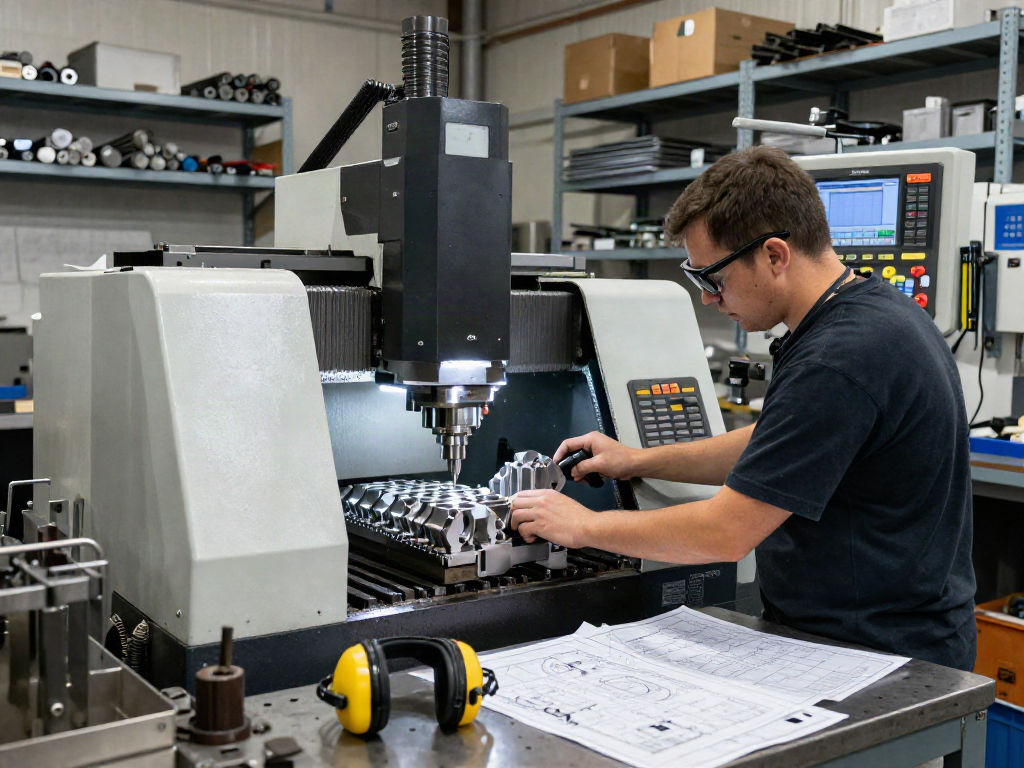
CNC machining stands for Computer Numerical Control machining, a method that utilizes computer systems to control machine tools. This technology replaces traditional manual machining operations, allowing for more intricate designs to be produced faster and with greater consistency. The process can include various operations such as milling, turning, and drilling, making it versatile for different manufacturing needs.
Key Processes in CNC Machining Parts Manufacturing
CNC machining involves several key processes that work together to create the desired component:
- Design Creation: Using CAD (Computer-Aided Design) software, designers create detailed blueprints of the part.
- Machine Setup: The CNC machine is calibrated according to the specifications of the CAD design, ensuring accuracy during production.
- Machining Process: The machine follows the programmed instructions to cut, shape, or form the part from raw material.
- Finishing: After the main machining, additional processes such as polishing, coating, or assembling can be carried out to achieve the final product.
Importance of Precision in CNC Machining
Precision is a fundamental element of CNC machining. The capability to produce parts with tight tolerances is critical, especially in industries like aerospace, automotive, and medical where even minor discrepancies can lead to product failure. Advanced CNC machines can achieve tolerances of +/-0.001 inches or better, ensuring that components will fit and function as intended within larger systems.
Choosing the Right CNC Machining Parts Manufacturer
Selecting the right manufacturer is vital to the success of any project involving CNC machining. Factors such as experience, technology, and production capabilities should be thoroughly evaluated to find a suitable partner for your needs.
Factors to Consider When Selecting a Manufacturer
When evaluating potential CNC machining parts manufacturers, consider the following factors:
- Experience: Look for a manufacturer with a proven track record in the industry, as experience often translates to better quality and reliability.
- Technology: Ensure the manufacturer employs the latest CNC technology, including state-of-the-art machines and software, which can enhance precision and efficiency.
- Material Options: Investigate the range of materials the manufacturer can work with, as different projects may require specific materials for optimal performance.
- Production Capacity: Assess whether the manufacturer can handle your volume of production while maintaining quality.
Evaluating Manufacturer Capabilities and Technologies
In addition to basic factors, delve into the specific capabilities of a manufacturer:
- Certifications: Look for certifications such as ISO 9001, which indicate adherence to quality management standards.
- Advanced Features: Evaluate if the manufacturer offers features like multi-axis machining, which can improve the complexity of parts that can be produced.
- Quality Control Procedures: Investigate the quality control measures in place to ensure that parts meet specifications and standards.
Understanding Manufacturer Certifications and Standards
Certifications are critical indicators of a manufacturer’s credibility and capability. Quality standards such as ISO, AS9100 for aerospace, and TS16949 for automotive are essential benchmarks that assure clients of a manufacturer’s commitment to excellence.
Common Challenges in CNC Machining Parts Production
Despite its advantages, CNC machining is not without its challenges. Awareness of these common pitfalls can help companies navigate them effectively.
Dealing with Material Limitations
Certain materials may present challenges in the CNC machining process. For example, some metals may be more difficult to machine due to hardness, while plastics may require specific tooling to avoid melting. Understanding the properties of materials and the appropriate machining techniques is essential to producing quality parts.
Addressing Precision and Tolerances in Manufacturing
Achieving the required precision and tolerances can be challenging, especially with intricate designs. Manufacturers must be vigilant during the machining process to mitigate errors caused by tool wear, machine calibration, and material inconsistencies.
Managing Lead Times and Production Schedules
Lead times can vary significantly depending on complexity, material availability, and machining capacity. Establishing clear communication with manufacturers regarding production timelines can help in managing expectations and ensuring timely delivery.
Best Practices for Working with a CNC Machining Parts Manufacturer
Successful partnerships with CNC machining manufacturers hinge on effective collaboration and communication. Here are best practices to consider:
Effective Communication and Collaboration Strategies
Developing a strong relationship with a manufacturer involves clear communication. Regular updates and feedback loops can ensure that both parties are aligned on project goals and timelines, thereby reducing misunderstandings and errors.
Providing Accurate Specifications and Designs
To achieve the best results, provide the manufacturer with detailed and accurate specifications, including tolerance levels, material preferences, and any necessary CAD files. The more precise the information, the better the manufacturer can meet your expectations.
Quality Control Measures for Successful Partnerships
Implementing rigorous quality control measures, such as pre-production samples and regular inspections, can help maintain the integrity of the final product. This not only ensures satisfaction but also builds trust between you and the manufacturer.
The Future of CNC Machining Parts Manufacturing
As technology continues to evolve, the CNC machining industry is poised for significant advancements, with emerging technologies and trends reshaping how parts are manufactured.
Emerging Technologies and Trends in CNC Machining
The integration of automation, AI, and IoT (Internet of Things) into CNC machining processes is revolutionizing the industry. Automated systems can enhance efficiency and accuracy while AI-driven analytics can predict machine failure and optimize performance.
Industry Predictions for 2026 and Beyond
By 2026, CNC machining is expected to see a further expansion of additive manufacturing techniques, allowing for more complex geometries that traditional methods cannot achieve. Additionally, sustainability will play a significant role, with manufacturers focusing on eco-friendly materials and processes.
How Automation is Transforming CNC Manufacturing
Automation in CNC machining is reducing labor costs and increasing production speed. Automated machining cells can operate with minimal human intervention, allowing for greater output consistency and allowing personnel to focus on higher-level tasks.
What are the leading CNC machining trends for 2026?
Future trends will likely include a greater emphasis on smart factories, where interconnected machines communicate with each other to streamline operations. Additionally, customized production runs are becoming more feasible through advancements in CNC technology, catering to niche markets.
How can businesses benefit from CNC machining services?
Businesses can gain significant advantages through CNC machining, including reduced lead times, enhanced precision, and the ability to produce complex parts that are often challenging to manufacture using traditional methods. This capacity enables companies to remain competitive in an increasingly demanding marketplace.
What are the common materials used in CNC machining?
Common materials used in CNC machining include metals such as aluminum, steel, and titanium, as well as plastics like acrylic and polycarbonate. Each material requires specific machining techniques, which manufacturers must be adept at to ensure quality results.
How do I find the best CNC machining parts manufacturer near me?
To find the best CNC machining parts manufacturer, begin by researching local companies and evaluating their capabilities and experience. Reading reviews and asking for referrals can also provide valuable insights into their reliability and quality.
What quality standards should I expect from CNC manufacturers?
Quality standards can vary between manufacturers but expect compliance with industry-specific regulations such as ISO 9001 for general manufacturing or AS9100 for aerospace applications. This compliance ensures that you are receiving products that meet rigorous quality and safety standards.